There’s a moment that almost everyone trying to lose weight has faced.
You’re looking at your plate, and the first thing you question is the rice.
Should you remove it?
Reduce it?
Or stop eating it completely?
Somewhere along the way, rice became the easiest thing to blame.
But here’s the interesting part.
The same rice that people are cutting out today has been eaten daily for generations without it being seen as a problem. In fact, many of the diets now being praised for balance and sustainability still include it.
So the real question is not whether rice is good or bad.
It’s whether we’ve been looking at it the wrong way.
Quick Answer: Is Rice Good for Weight Loss?
If you came here for a straight answer, here it is.
Rice can be part of a weight loss diet when eaten in controlled portions and paired with protein and fiber. It does not directly cause weight gain. The overall calorie balance of your day matters more than whether you eat rice or not.
Basmati rice, in particular, is often preferred because it has a relatively lower glycemic response and keeps you satisfied without feeling heavy.
If your goal is weight loss, the focus should not be on removing rice, but on improving how you build your meals around it.
Why Rice Was Blamed for Weight Gain
Before we talk about benefits, it helps to understand why rice got such a bad reputation.
Most of it comes down to three common issues:
- Overeating portions
- Sedentary lifestyles
- Pairing rice with high-fat, heavy gravies
Rice itself is not inherently fattening. It is a carbohydrate. And like any carbohydrate, it becomes a problem only when consumed in excess without balance.
What people often experienced was not “rice causing weight gain” but calorie surplus over time.
Rice Myths That Need to Be Left Behind
A lot of what we believe about rice comes from half-information and extreme dieting trends.
Let’s clear some of that up.
Myth 1: Rice Automatically Causes Weight Gain
Rice does not directly lead to fat gain. Weight gain happens when your total calorie intake is consistently higher than what your body needs.
Blaming one food oversimplifies the problem.
Myth 2: You Must Stop Eating Rice to Lose Weight
This is one of the biggest misconceptions.
People often remove rice, lose weight temporarily, and then regain it because the diet was not sustainable.
Long-term weight loss works better when staple foods are adjusted, not eliminated.
Myth 3: Brown Rice Is Always Better Than White Rice
Brown rice has more fiber, but that does not make it universally better.
For many people:
- It feels heavy
- It is harder to digest
- It is not something they can eat daily
In such cases, lighter rice varieties like Basmati can actually be more suitable.
Myth 4: Eating Rice at Night Leads to Weight Gain
Your body does not suddenly store fat just because you ate rice at dinner.
What matters is your total intake across the day, not the timing of one meal.
Myth 5: White Rice Has No Nutritional Value
White rice still provides:
- Energy
- Essential nutrients
- Digestibility
It becomes “unhealthy” only when eaten in excess or without balance.
Myth 6: Rice Spikes Blood Sugar Too Much
This depends on:
- The type of rice
- What you eat with it
- Portion size
For example, Basmati rice paired with protein and fiber behaves very differently from plain rice eaten alone.
What All These Myths Have in Common
They treat rice as the problem.
But in reality, it’s about:
- How much you eat
- What you combine it with
- How consistently you follow your diet
Once you shift that perspective, rice stops being something you fear and becomes something you learn to use better.
What Science Says: Can Rice Be Part of Weight Loss?
A number of nutrition studies have challenged the idea that rice leads to weight gain.
One notable observation comes from global dietary patterns. Populations in countries like Japan, India, and parts of Southeast Asia have traditionally consumed rice as a staple while maintaining relatively lower obesity rates compared to highly processed, Western diets.
More specifically, research has shown that:
- Diets including whole grains and controlled portions of rice can support weight management
- Satiety plays a major role in weight loss, and rice, especially certain varieties, can help you feel full
- Glycemic response varies by rice type, cooking method, and portion size
The takeaway is simple.
Rice is not the problem. The way we eat it is.
What Dietitians Actually Recommend (Not Internet Advice)
Most qualified dietitians today no longer recommend cutting out rice completely.
Instead, their approach focuses on balance:
- Keep rice in the diet, but adjust portion size
- Combine rice with protein to reduce blood sugar spikes
- Avoid eating rice as a standalone meal
- Choose rice varieties that suit your digestion
Clinical nutrition guidance also highlights that sustainable weight loss comes from consistency, not restriction.
This is why completely eliminating staple foods like rice often backfires. People tend to return to them later in larger quantities.
What Indian Nutrition Experts Say About Eating Rice
The conversation around rice is not just changing globally. It has also been consistently addressed by leading Indian nutritionists.
Nutritionist Rujuta Diwekar, known for advocating sustainable and culturally rooted eating habits, has repeatedly highlighted that rice is not the enemy in a weight loss journey.
In her view, traditional foods like rice have been unfairly blamed, while the real issue lies in lifestyle changes and processed food consumption.
She emphasises that:
- Rice is easy to digest
- It supports energy without overwhelming the body
- It has been a part of balanced Indian diets for generations
You can watch her perspective here:
Why Rujuta Diwekar wants you to eat rice
What stands out in her approach is simple.
Instead of removing rice, she encourages people to return to traditional eating patterns, where rice is paired with balanced, home-style meals.
Ayurveda Always Knew This
Long before calorie tracking apps and diet charts, Ayurveda had a very clear stance on rice.
Rice, especially well-processed and aged varieties, was considered:
- Easy to digest
- Nourishing without being heavy
- Suitable for daily consumption
In Ayurvedic texts, rice is often recommended as a staple for balanced energy, particularly when paired correctly with lentils, vegetables, and ghee.
What is interesting is that Ayurveda never treated rice as something to avoid.
Instead, it focused on:
- The type of rice
- The method of cooking
- The combination of foods
Which is exactly what modern nutrition is rediscovering today.
Why Ayurveda Preferred Certain Types of Rice
Ayurveda does not treat all rice the same.
Rice in Ayurveda is differentiated based on qualities like:
- Light vs heavy digestion
- Moisture content
- Processing and aging
Aged rice, especially traditional long-grain varieties, is considered lighter and easier to digest compared to freshly harvested rice.
It is often recommended in warm climates because it:
- Supports digestion without creating heaviness
- Provides stable energy
- Pairs well with simple, balanced meals
This is one reason why long-grain aromatic rice varieties have remained a staple in Indian diets for centuries.
Is Brown Rice Good for You to Lose Weight?
Brown rice is often marketed as the “healthier” option, especially for weight loss.
And yes, it does have benefits:
- Higher fiber content
- Slower digestion
- Slightly lower glycemic response
This can help in controlling hunger and stabilizing blood sugar levels.
But here is where things get more nuanced.
Brown rice is also:
- Harder to digest for some people
- Not always suitable for those with sensitive digestion
- Heavier compared to more refined rice varieties
So while brown rice can support weight loss, it is not the only or even the best option for everyone.
The Health Benefits of Rice (That Most Diet Plans Ignore)
Rice is often reduced to just “carbs,” but it offers more than that.
1. Provides Sustained Energy
Rice is a clean source of energy. It fuels your body without the heaviness of processed foods.
2. Naturally Gluten-Free
For those avoiding gluten, rice becomes a safe and versatile staple.
3. Supports Digestive Health
Certain types of rice are easy on the gut, making them ideal for daily consumption.
4. Helps With Satiety
When eaten in the right portions, rice can actually keep you full longer, reducing unnecessary snacking.
5. Works Across Diet Types
Whether you are vegetarian, high-protein, or balanced diet focused, rice fits in seamlessly.
Which Rice Is Best for Weight Loss?
This is where the conversation gets interesting.
Not all rice behaves the same way in your body.
Let’s break it down.
White Rice
- Easy to digest
- Quick source of energy
- Best when paired with protein and fiber
White rice is often misunderstood. In controlled portions, it can absolutely be part of a weight loss diet.
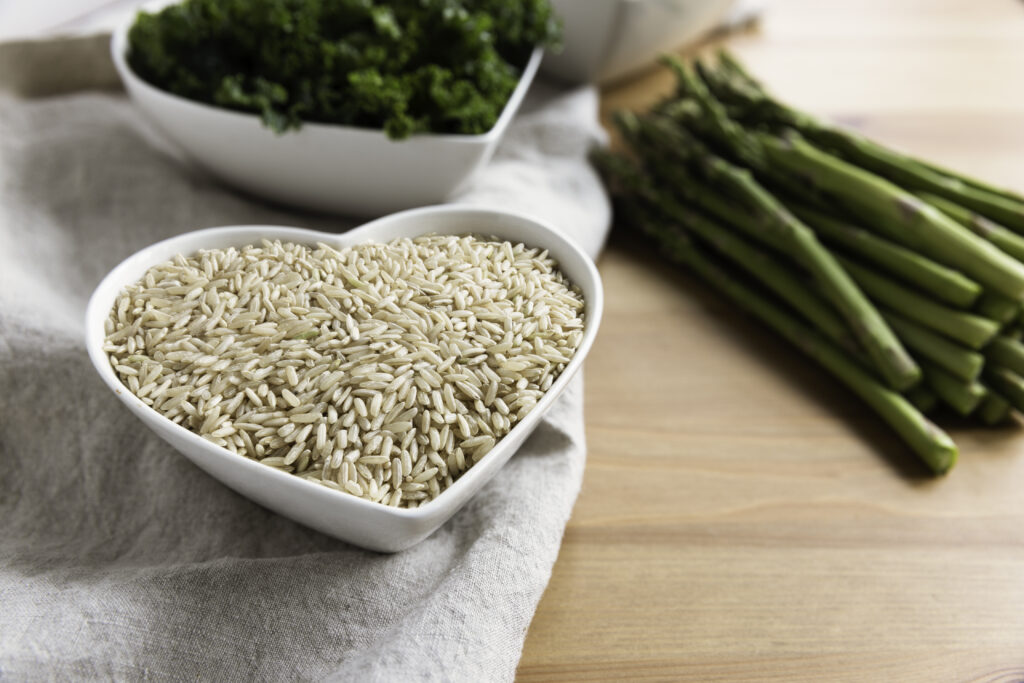
Brown Rice
- Higher fiber
- Slower digestion
- Can feel heavy for some
Good option if your digestion supports it.
Parboiled Rice
- Lower glycemic index than regular white rice
- Better nutrient retention
- Slightly firmer texture
A solid middle ground between white and brown rice.
Basmati Rice
- Naturally lower glycemic index compared to many other white rice varieties
- Aromatic and satisfying
- Less sticky, which helps with portion control
This is where Basmati stands out.
Rice vs Other Carbs: What Actually Makes a Difference
When comparing rice with other carbohydrates like roti, bread, or quinoa, the difference is not as dramatic as people assume.
What matters more is:
- Portion size
- Processing level
- What you eat with it
For example:
- Plain rice with dal and vegetables can be more balanced than refined flour breads
- Overloaded butter rotis can be more calorie-dense than a simple rice meal
Instead of choosing between rice or roti, focus on building meals that are:
- Balanced
- Moderate in quantity
- Easy to sustain daily
Basmati Rice and Weight Loss: What Makes It Different
Basmati rice is often overlooked in weight loss discussions, but it has some unique advantages.
1. Lower Glycemic Response
Compared to regular white rice, Basmati rice releases energy more gradually.
2. Long Grain Structure
The grains stay separate and fluffy, which naturally reduces overeating.
3. High Satiety Value
It satisfies cravings without needing large portions.
4. Easier Digestion
Especially important for those who cannot tolerate heavier grains.
5. Flavor Matters
When food tastes good, you are less likely to overcompensate with unhealthy snacks.
This is why many dietitians today are reintroducing Basmati rice into structured meal plans.
Does White Rice Make You Fat?
Short answer: No.
Long answer: Only if your overall calorie intake exceeds what your body needs.
White rice does not directly cause fat gain. It becomes a problem when:
- Portions are too large
- Meals lack protein or fiber
- Lifestyle is inactive
In a balanced plate, white rice can actually support controlled eating.
How to Eat Rice for Weight Loss (Without Cutting It Out)
If you want to include rice in your diet and still lose weight, focus on how you eat it.
1. Control Portions
Instead of eliminating rice, reduce the quantity slightly.
2. Add Protein
Pair rice with dal, paneer, chicken, or legumes.
3. Include Fiber
Vegetables balance the meal and slow digestion.
4. Choose the Right Type
Basmati or parboiled rice can be better options depending on your goals.
5. Watch Cooking Methods
Avoid excessive oil, butter, or heavy gravies.
Common Mistakes People Make When Eating Rice for Weight Loss
Even when people include rice correctly, a few habits slow down results:
Eating Rice Alone
Without protein or fiber, rice digests quickly and leads to hunger.
Oversized Portions
A “normal” serving is often much larger than required.
Heavy Accompaniments
Oil-rich curries and fried sides increase total calorie intake.
Eating Too Fast
Quick eating reduces satiety signals, leading to overeating.
Skipping Meals Then Overeating Rice
This creates spikes in hunger and portion sizes.
Fixing these small habits makes a bigger difference than removing rice entirely.
A Balanced Plate Example
A simple weight-loss-friendly rice meal could look like:
- 1 portion Basmati rice
- 1 portion dal or grilled protein
- 1 portion sautéed vegetables
- 1 small serving of healthy fats
This kind of meal is satisfying, balanced, and sustainable.
Why Rice Is Making a Comeback in Modern Diets
After years of extreme dieting trends, people are moving back to real, sustainable eating habits.
And rice fits perfectly into that shift.
- It is familiar
- It is versatile
- It is culturally rooted
- It is satisfying
Most importantly, it is easy to maintain long term
Because weight loss is not about short bursts of restriction. It is about consistency.
A Note on Quality: Not All Rice Is the Same
If you are including rice in your diet regularly, quality matters.
The sourcing, processing, and aging of rice all influence:
- Taste
- Digestibility
- Nutritional behavior
High-quality Basmati rice, for example, is aged to improve texture and cooking quality, making it lighter and more suitable for regular consumption.
For brands like Barkat Rice, the focus is not just on supplying rice but on ensuring:
- Consistent grain quality
- Proper processing
- Reliable sourcing
Which ultimately affects how the rice behaves in your meals.
So, Is Rice Good for Weight Loss?
Yes.
But with context.
Rice can absolutely be part of a weight loss diet when:
- Portions are controlled
- Meals are balanced
- The right type of rice is chosen
Instead of asking “should I stop eating rice,” the better question is:
“How can I eat rice better?”
Does the Way You Cook Rice Affect Weight Loss?
Yes, more than most people realise.
Cooking methods can influence how rice behaves in your body.
- Excess water method (draining starch) can slightly reduce calorie density
- Cooling rice after cooking can increase resistant starch, which supports digestion
- Reheating cooled rice can maintain this benefit
Simple changes in preparation can make rice more suitable for weight-conscious diets without changing what you eat.
Kanji Rice or Overnight Rice: A Summer Staple That Supports Digestion
This is one of the most popular diet trends in 2026. From R. Madhavan and Neetu Singh to Athiya Shetty, all rave about it. It is all over Instagram for sure. But long before gut health became a trend, Indian households had a simple practice for hot weather.
Leftover rice soaked overnight in water, often called kanji rice or overnight rice, was consumed the next day.
This wasn’t just about convenience. It had functional benefits.
Why It Works
When rice is soaked overnight, it undergoes mild fermentation. This changes its nutritional profile.
- Increases beneficial bacteria
- Improves digestion
- Enhances nutrient absorption
- Helps cool the body in summer
Is It Good for Weight Loss?
Kanji rice can support weight management when consumed correctly.
- It is light on the stomach
- Keeps you full without heaviness
- Supports gut health, which plays a role in metabolism
However, portion size still matters.
How It Is Traditionally Consumed
- Soaked rice with water
- A pinch of salt
- Sometimes paired with curd, onions, or simple sides
In many parts of India, this is still considered a cooling, nourishing summer meal, especially in humid climates.
Where It Fits Today
In modern diets, kanji rice is slowly coming back as people look for:
- Natural probiotic foods
- Gut-friendly meals
- Simple, traditional eating patterns
It is another reminder that many of the answers we are looking for today already existed in everyday food practices.
FAQs: RIce For Diets
Can I eat rice every day and still lose weight?
Yes, if your portions are controlled and your overall calorie intake is balanced.
Which rice is best for weight loss?
Basmati rice and parboiled rice are often preferred because of their lower glycemic response and better satiety.
Is Basmati rice good for weight loss?
Yes. It digests well, keeps you full, and fits easily into balanced meals.
Is brown rice better than white rice for dieting?
Not necessarily. Brown rice has more fiber, but white or Basmati rice can be equally effective depending on digestion and portion control.
Does eating rice at night cause weight gain?
No. Weight gain depends on total daily calorie intake, not just timing.
How much rice should I eat for weight loss?
Typically 1 small bowl per meal, paired with protein and vegetables, works well.
Is rice better than roti for weight loss?
Both can work. It depends on portion size, preparation, and what you pair them with.
Can I eat rice after a workout?
Yes. Rice is a great post-workout carbohydrate to replenish energy.
Choosing the Right Rice Makes a Difference
If rice is going to be a regular part of your meals, the quality you choose matters.
From grain length to aging and processing, these factors influence how rice cooks, digests, and satisfies.
With Basmati rice especially, consistency in quality plays a key role in maintaining portion control and meal balance.
That is where sourcing from reliable, process-focused suppliers becomes important.
Rice for Weight Loss: Cut It or Eat It Smarter?
For a long time, rice was treated like something you had to give up to lose weight.
But when you step back and look at both science and tradition, the answer becomes much simpler.
Rice was never the problem.
It was how we started eating it.
Oversized portions, lack of balance, and moving away from simple, home-style meals created the confusion. Not the rice itself.
When eaten in the right quantity, paired with protein and vegetables, and chosen carefully, rice can be one of the most sustainable foods in your diet.
And that matters.
Because the best diet is not the one you follow for a few weeks. It is the one you can stay consistent with.
This is where the type and quality of rice you choose start to make a difference. Long-grain varieties like Basmati are not just about aroma or appearance. They influence how your meal feels, how much you eat, and how satisfied you are after.
At Barkat Rice, the focus has always been on delivering rice that fits into everyday meals without compromise. Consistent grain quality, proper processing, and attention to sourcing ensure that what reaches your plate is something you can rely on, whether you are cooking for comfort or for control.
So instead of asking whether you should remove rice from your diet, the better question is:
Can you build a better plate around it?
Because once you do that, rice stops being something you avoid and becomes something that works with you.